
Water damage restoration requires swift action (24-48 hours) to minimize losses. Opt for natural, eco-friendly methods using absorbent materials, air movers, biodegradable cleaning agents, and advanced drying techniques to reduce mold and bacteria growth. Regular maintenance, quick response times, and professional help prevent structural damage. Companies like Property Restoration of the Capital Region specialize in natural water damage restoration and mold removal, utilizing efficient equipment for comprehensive recovery after floods or leaks in Denver. Eco-friendly solutions minimize environmental impact while ensuring healthy indoor environments.
Water damage restoration is a critical service in the Denver area, where frequent floods and storms can leave homes and businesses vulnerable to significant water intrusion. When water damage occurs, proper restoration techniques are essential to prevent mold growth, structural deterioration, and the loss of valuable possessions. This article delves into the intricacies of effective water damage restoration Denver, offering insights into the processes, technologies, and expertise needed to restore properties naturally and thoroughly. By understanding the science behind restoration, we empower residents to make informed decisions and safeguard their spaces from the devastating impacts of water damage.
- Understanding Water Damage: Denver's Common Issues
- Immediate Steps After a Flood: Natural Restoration Tips
- The Science Behind Water Damage Restoration Techniques
- Choosing the Right Restoration Company: Denver Expertise
- Eco-Friendly Solutions for Water Damage Recovery
Understanding Water Damage: Denver's Common Issues

Immediate Steps After a Flood: Natural Restoration Tips
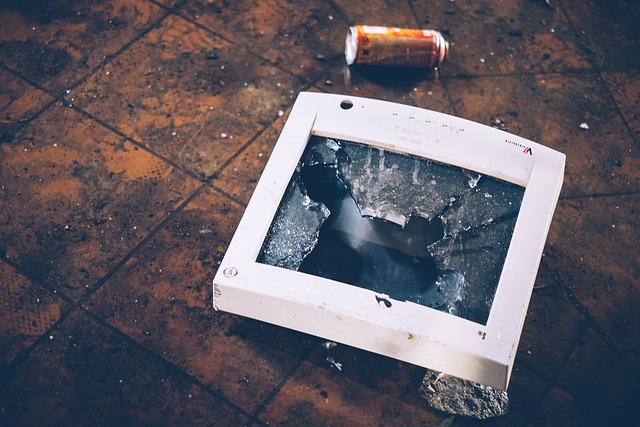
After a flood, immediate action is crucial for effective water damage restoration. The first 24 to 48 hours are critical in mitigating further harm. Here's what you need to know and do when faced with this challenging situation.
Start by turning off the electricity at the main circuit breaker to prevent electrical shocks and potential fires. Then, assess the extent of the damage. If the floodwater is deep, evacuate the premises until it subsides or professional water extraction services like those offered by El Paso-based providers can be deployed. In cities like Texas City, where flash floods are common, having a plan in place for swift water removal is vital to prevent structural damage and mold growth.
Once the initial shock is under control, remove as much standing water as possible with buckets or pumps. This step is crucial for preventing water damage from penetrating deeper into your property. After extraction, dry out the area thoroughly. Consider using fans, dehumidifiers, or even professional drying services to ensure every corner of your home or business is completely dry. For instance, Property Restoration of the Capital Region emphasizes the importance of a thorough drying process in their flood recovery services to curb mold and mildew issues.
Don't forget to document the entire process with photos. This visual record will be invaluable when filing insurance claims or during future restoration efforts. While natural methods like sunlight and ventilation can aid in drying, for extensive water damage, especially in areas prone to flooding like San Antonio, professional help is recommended. Expert flood cleanup experts have advanced equipment and knowledge to handle large-scale projects, ensuring your property is restored safely and efficiently.
The Science Behind Water Damage Restoration Techniques
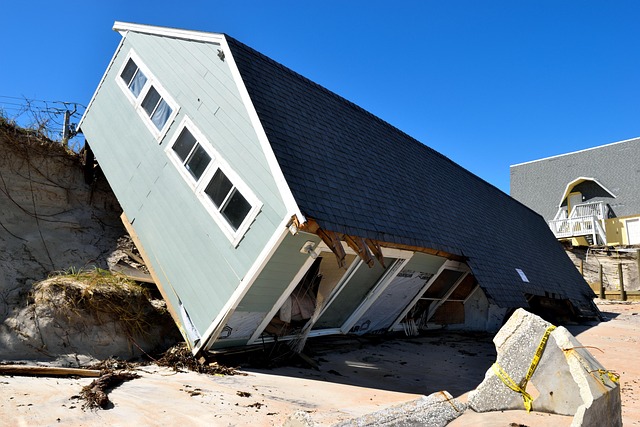
The science behind water damage restoration techniques involves a complex interplay of physics, biology, and chemistry to effectively dry out your home fast, such as in cases of pipe bursts or flooding. The primary goal is to minimize moisture content to prevent structural damage and halt the growth of mold and bacteria. Professionals like those at Property Restoration of the Capital Region employ advanced equipment to measure moisture levels and track drying progress. For instance, using data-loggers, they can monitor humidity in hard-to-reach areas, ensuring every corner of a property is properly dried.
In cases of severe water damage, rapid response is crucial. Within 24 to 48 hours, professionals initiate the restoration process, which typically includes removing damaged materials, extracting standing water, and using industrial fans and dehumidifiers to dry out the affected areas. This quick action not only prevents widespread damage but also reduces the risk of mold growth, a common issue in flooded homes. For example, a study by the Environmental Protection Agency (EPA) found that mold can begin forming within 24 hours of flooding, underscoring the need for prompt restoration after pipe burst Dallas or flood damage repair Irving.
Natural water damage restoration techniques involve using environmentally friendly methods to dry out your home without relying heavily on chemicals. This includes employing natural dehumidifiers like silica gel or molecular sieves, as well as utilizing ventilation and air movement to expedite drying. Additionally, professional restorers may use enzymes that break down organic matter to prevent mold growth, a safer alternative to chemical-laden products. After the initial drying process, restoration specialists conduct thorough inspections and use advanced technology for remediation, ensuring properties are restored to their pre-loss conditions in Dallas or any other affected areas.
Choosing the Right Restoration Company: Denver Expertise
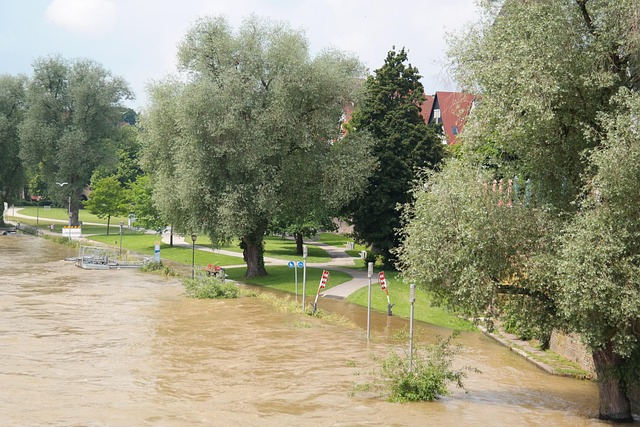
Choosing the right water damage restoration company is crucial for a successful recovery after floods or leaks. In Denver, with its unpredictable weather patterns leading to occasional severe flooding, residents must be prepared for swift action and professional expertise. Look for firms specializing in both water damage restoration naturally and expert mold removal post-flood San Marcos, ensuring they have the tools and knowledge to handle every stage of the process effectively.
Consider a company like Property Restoration of the Capital Region, which boasts extensive experience in Denver's unique challenges. They offer not just water damage repair but also professional flood damage repair Irving, making them versatile experts for any scale of disaster. For instance, after recent floods in San Antonio, many homeowners turned to such specialized firms due to their proven track record in restoring homes swiftly and thoroughly. This includes using advanced techniques like air movement systems that dry structures more efficiently than traditional methods, minimizing secondary damages from mold growth.
When evaluating potential restorers, verify their certifications (e.g., from the IICRC) and check online reviews for insights into their performance. Data shows that quick response times and professional handling of water damage repair can significantly reduce property loss. It's also wise to inquire about their post-flood services in San Marcos or similar areas, ensuring they offer comprehensive solutions, from extracting standing water to disinfecting surfaces and restoring structures to their pre-damage condition. This holistic approach is vital for creating a healthy living environment, even after severe water incidents.
Eco-Friendly Solutions for Water Damage Recovery

In the realm of water damage restoration, adopting eco-friendly solutions has become a paramount consideration for professionals seeking to minimize environmental impact while maximizing efficiency. The traditional approach to water extraction often relies on harsh chemicals and energy-intensive equipment, but today's cutting-edge methods offer a more sustainable path. For instance, commercial water extraction in Lubbock has embraced natural techniques, reducing the use of toxic substances and minimizing carbon footprint. This shift reflects a broader trend across the country, as cities like Dallas have seen successful restoration after pipe bursts using environmentally friendly practices.
One of the most effective eco-friendly strategies involves the use of enzymatic cleaners and physical methods for water removal. Enzymes naturally break down organic matter present in contaminated water, reducing the need for harsh chemicals. This not only minimizes environmental pollution but also prevents the growth of mold and bacteria, which can be a significant health concern during restoration projects. Additionally, 24/7 water cleanup services in Corpus Christi have incorporated advanced drying techniques, such as air movement and moisture control, to expedite the recovery process without relying heavily on energy-guzzling dehumidifiers.
Property Restoration of the Capital Region prioritizes these sustainable practices, ensuring that every step of the restoration process is conducted with minimal environmental disruption. We leverage state-of-the-art equipment designed for efficiency and effectiveness, while also employing natural remedies where applicable. By embracing eco-friendly solutions, we not only contribute to a healthier planet but also deliver high-quality results tailored to each unique situation. This holistic approach ensures that properties are restored to their pre-loss condition in the most sustainable manner possible.
Through this comprehensive exploration of water damage restoration in Denver, readers have gained invaluable insights into addressing this common yet challenging issue. Understanding Denver's specific water damage scenarios, immediate post-flood actions, and the science behind restoration techniques equips homeowners with crucial knowledge. Choosing a reputable restoration company specializing in Denver's unique needs is paramount for effective, eco-friendly solutions. The article emphasizes the importance of natural water damage restoration methods, highlighting their role in minimizing environmental impact while ensuring thorough recovery. By integrating these key learnings, residents can now navigate water damage incidents with confidence, prioritizing both property revitalization and sustainable practices.